When it comes to the online gaming community, few platforms can match the experience attributed to Steam. This service was first launched in 2003, and it has since become one of the most popular hubs for fans of the iGaming ecosystem.
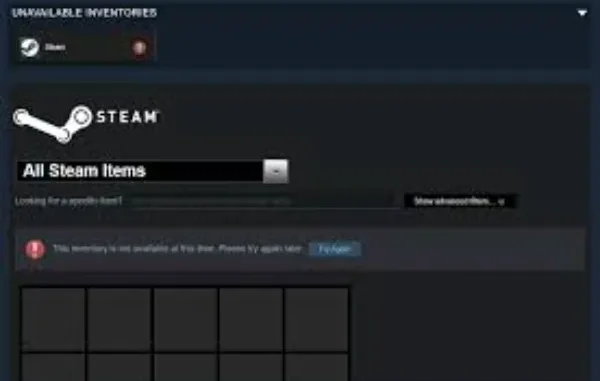
Another extremely useful tool offered by Steam involves the inventories that players can create. Assuming that you are new to the community, or you are searching for ways to increase your online clout, the information outlined below will undoubtedly come in handy.
What exactly are Steam inventories?
We can think of Steam inventories as a type of digital storage space that players can use to collect specific assets associated with certain games. Similar to bank accounts, these inventories have limits in terms of the number of items that can be housed at any given time. Another useful feature of this novel system is that it enables users to trade assets with others, and to sell them on the larger Steam Community Market. While inventories are not necessarily required to play Steam games, they are still extremely functional utilities.
What are some types of items that inventories can hold?
Steam inventories are also quite versatile when it comes to the items that can be collected. Some typical categories include:
- Weapon skins (more on these in the next section)
- Avatars
- Emoticons
- Profile backgrounds
- Booster packs (such as loot boxes)
- Trading cards
There may also be other game-specific assets that will be recognised by Steam.
A real-world example
Let us imagine that you wish to use a user-friendly Steam inventory to amass rewards found within the Counter-Strike: GO ecosystem. There are literally thousands of items to collect, and each one of these is associated with a specific monetary value. Cryptocurrency-compatible websites such as Clash.gg will also provide a detailed breakdown of important metrics. These include the top inventories in terms of value, the most popular items (such as sought-after skins), and the average item count per collection.
This repository is also an excellent way to keep track of viral items that are the most popular with players. Examples include the Glock 18 Water Elemental, the AK-47 Redline, and the AWP Atheris sniper rifle. Or, you might instead be interested to learn about the rarest skins. These are also clearly listed, and their values can be used to determine if they fall within your existing budget.
A User-Friendly Marketplace
While it is always possible to obtain items from loot box drops, Steam inventories also allow users an opportunity to trade with other players. This provides an additional level of on-item engagement, and is (arguably) one of the most attractive elements of the larger Steam community. Note that third-party sites such as Clash.gg are likewise great ways to keep one step ahead of the competition, and to become fully immersed within the Steam experience.
Leave a Reply