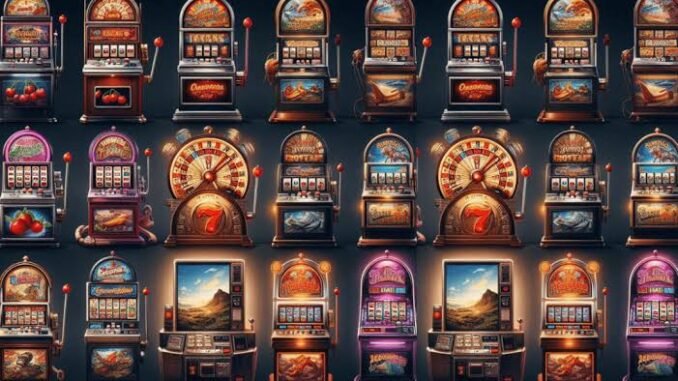

Slot gaming has changed dramatically since the days when players stood in front of heavy mechanical machines and watched physical reels spin behind glass.
What began as a simple combination of symbols, levers, and mechanical gears has gradually developed into a digital form of entertainment shaped by software, animation, touchscreens, and interactive design.
Despite these changes, the basic idea remains recognizable. Players still see reels, symbols, and familiar visual patterns, but the technology behind them has become far more sophisticated. Looking at the development of slot gaming offers an interesting example of how traditional entertainment can adapt to new technology without completely losing its original identity.
The Mechanical Origins of Slot Gaming
Early slot machines relied entirely on mechanical components. Their operation was relatively straightforward, and the visual design was built around a small collection of easily recognizable symbols.
Simple Symbols Created a Visual Language
Classic machines commonly displayed fruit, bells, bars, numbers, and other simple images. These symbols were chosen partly because they were easy to recognize quickly.
The limited number of symbols also made the screen, or mechanical reel window, easy to understand. Players did not need lengthy instructions to recognize when symbols matched across a line.
Several elements became closely associated with traditional slot design:
- Cherries and other fruit symbols
- Bells
- BAR symbols
- Lucky number seven
- Simple paylines
- Mechanical levers
This visual language became so familiar that many of these symbols continue to appear in modern digital games.
Physical Reels Defined the Experience
Traditional machines usually contained three physical reels. Pulling a lever activated a mechanical system that caused them to spin before gradually stopping.
Because everything depended on physical components, designers had relatively limited freedom. The number of symbols, reel positions, and possible combinations depended on the structure of the machine itself.
That limitation helped create the recognizable simplicity of early OLYMPUS88 slot gaming.
Electromechanical Technology Expanded the Possibilities
The next major stage came when electrical components were introduced alongside mechanical systems. Machines could now support more complex functions without completely abandoning physical reels.
Lights and Sounds Became More Important
Electric technology allowed designers to experiment with presentation. Flashing lights, illuminated buttons, and electronic sounds began to make machines more visually noticeable.
These additions changed the role of presentation. A slot machine was no longer defined only by the spinning reels. Sound and lighting could also communicate activity and create a more energetic experience.
Electronic controls gradually replaced some purely mechanical functions as well, preparing slot machines for a much larger technological shift.
Video Screens Changed Slot Design
The introduction of video slots represented one of the biggest changes in the history of slot gaming.
Instead of relying on physical reels, developers could display simulated reels on a screen. Once the reel system became digital, many of the old physical limitations disappeared.
More Reels and Symbols Became Possible
Digital screens allowed developers to experiment with layouts that would have been difficult to build mechanically.
A game could include five reels instead of three, multiple rows of symbols, more paylines, and a wider variety of visual elements.
The transition also allowed designers to introduce features such as:
- Animated symbols
- Themed backgrounds
- Additional game screens
- Expanded reel layouts
- Interactive menus
- More detailed visual effects
The slot interface was gradually becoming a complete digital environment rather than a simple mechanical display.
Online Slots Moved Gaming Beyond Physical Machines
Internet technology brought another significant change by allowing slot-style games to run through computers and, later, mobile devices.
For the first time, the experience was no longer connected to a dedicated physical cabinet.
Software Became the Foundation
Modern online slots are primarily software products. The reels, symbols, interface, animation, and sound are all controlled digitally.
This gives developers much greater flexibility when creating themes and visual styles. A game can be inspired by mythology, fantasy, history, nature, adventure, science fiction, or almost any other concept.
Themes can also influence more than background graphics. Symbols, transitions, music, character movement, and interface elements can all follow the same visual direction.
As a result, many slot games online now resemble compact interactive entertainment experiences rather than digital copies of traditional machines.
Animation Added Movement and Personality
Animation is another area where digital technology has transformed presentation.
Traditional symbols could only spin and stop. Digital symbols can move, expand, transform, glow, disappear, or trigger additional visual sequences.
Characters Can Become Part of the Interface
Some modern games use animated characters that react to events on the reels. Instead of simply appearing as static artwork, characters may move across the screen or become involved in short visual sequences.
Backgrounds can also respond dynamically. Lighting may change, scenery may move, or visual effects may appear when certain features are activated.
These techniques help connect separate parts of the interface and make the overall presentation feel more coordinated.
Modern Slot Gaming Combines Old and New Ideas
Interestingly, technological development has not completely removed traditional design.
Many contemporary games still use classic fruit, bell, BAR, and seven symbols. Some even deliberately imitate the appearance of older three-reel machines.
The difference is that these familiar elements now exist alongside high-resolution graphics, animation, digital sound, responsive controls, and interactive screens.
This combination allows apk slot gaming to maintain a recognizable connection with its mechanical origins while continuing to adopt newer forms of digital design.
Conclusion
The journey from mechanical reels to interactive screens shows how strongly technology can reshape a familiar entertainment format.
Early slot machines depended on gears, physical reels, simple symbols, and mechanical controls. Electromechanical systems later introduced lights and electronic features, while video screens removed many of the physical limitations of traditional machines. Online platforms then moved slot gaming onto computers and mobile devices, where touchscreen controls, responsive layouts, animation, and sophisticated visual design became increasingly important.
Modern slot gaming may look very different from its mechanical predecessors, but many familiar ideas remain. Reels, symbols, recognizable patterns, and straightforward visual communication still form the foundation. What has changed most is the technology surrounding them, turning a once purely mechanical experience into an increasingly interactive digital format.
Leave a Reply