Digital entertainment platforms give users quick access to content and interactive services from a phone or computer. Someone may join a streaming community or explore a casino online when looking for a more active form of entertainment.
A well-designed platform should feel easy to use from the first visit. Clear account settings and responsive support make a noticeable difference once the user starts returning regularly.
This article explains how to compare digital entertainment platforms before registering, with a focus on the details that shape the everyday experience.
Decide What You Need from the Platform
Start with the intended use. Someone looking for occasional access may not need an account that requests extensive profile information. A regular user may care more about saved preferences or account recovery.
The platform should also fit the type of entertainment. A streaming service needs a clear content catalog. A social gaming app needs effective moderation. Paid gaming platforms should explain age restrictions and account verification before registration.
The table below highlights the areas to check that should help you narrow the choice.
| Area to compare | What to check | Why it matters |
| Access | Browser, app, or both | Determines how the service can be used |
| Registration | Required personal details | Shows how much data must be provided |
| Content | Availability in the user’s country | Prevents signing up for inaccessible material |
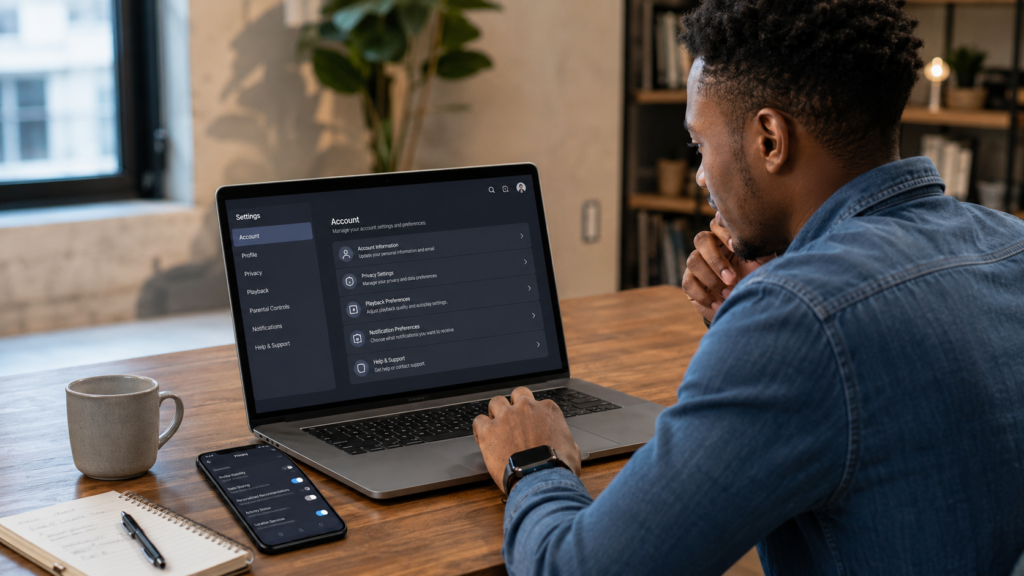
| Account controls | Password recovery and profile settings | Affects long-term access |
| Support | Contact routes and opening hours | Matters when an account problem occurs |
| Exit options | Account closure and data requests | Shows how easily the user can leave |
Review the Account Before Opening It
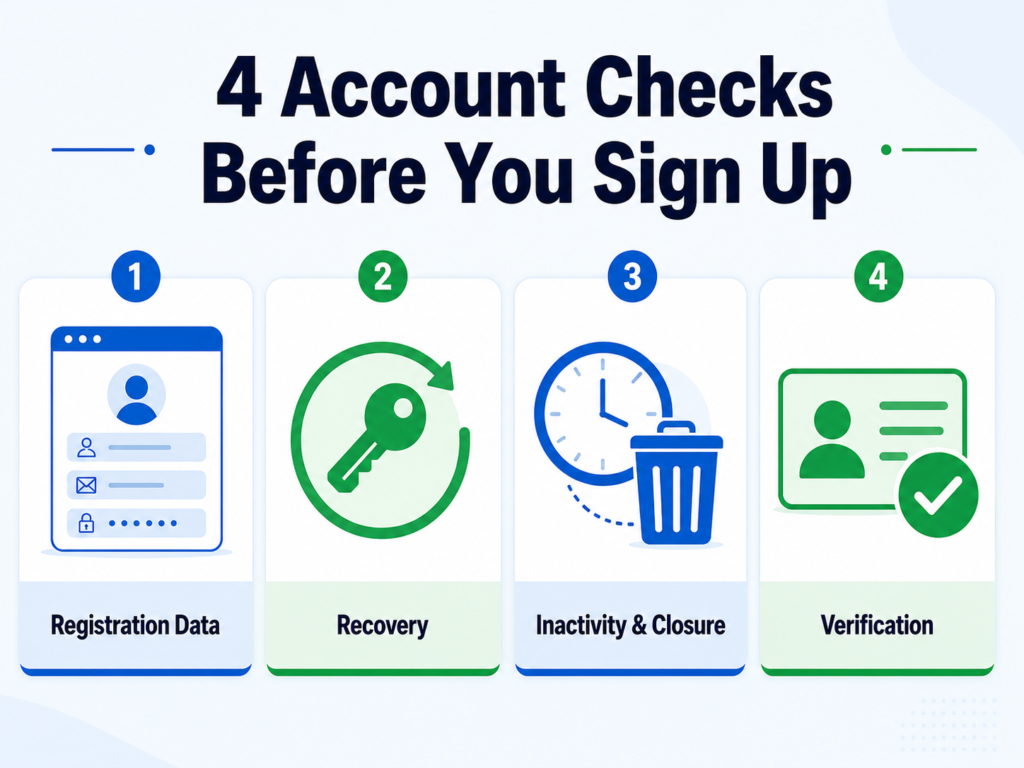
The registration screen provides an early test of the service. It shows what information is required and whether the platform explains why it needs it.
Check What the Registration Form Requests
Basic registration may require an email address or phone number. Age-restricted services can also request a date of birth and later ask for identity verification.
Pay attention when an entertainment platform asks for details with no clear purpose. A simple media service may need an email address to manage the account. Access to contacts or precise location requires a stronger explanation.
Optional fields should look optional. Avoid filling every box automatically. The platform should allow the account to function without unrelated profile details.
Read the Account Recovery Process
Find the password reset instructions before creating the account. A service that provides no clear recovery route can become difficult to use after a lost phone or forgotten password.
The reset link should be sent to an address or number controlled by the user. Security questions based on information that other people can discover offer weak protection. OWASP notes that password recovery must be treated as an alternative route into the account and should be protected accordingly.
Check whether the platform supports two-factor authentication. Also, find out what happens if access to the second factor is lost.
Look at Inactivity and Closure Rules
Some platforms restrict or close accounts after a long period without use. Others retain the profile until the user submits a request.
Search the terms for words such as “inactive,” “closure”, and “termination.” The rules should explain whether stored credits or purchased content remain available after a closure.
The user should also be able to find an account deletion route. Removing an app from the phone does not automatically remove the account or the information held by the provider.
Understand Verification Requirements
Verification is reasonable for services that must confirm age or account ownership. The platform should still explain when the check occurs and which documents may be requested. Look for answers to these questions:
- Is verification required during registration or later?
- Which documents are accepted?
- Where are they uploaded?
- How can the user contact support if the check fails?
Do not send identity files to an address found in a public comment or private social media message. Use the upload area or support channel listed inside the official service.
Inspect Privacy Information and App Permissions
A privacy notice should identify the business responsible for the information and explain how the data is used. It should also cover retention, third-party sharing, and requests from the user.
For Kenyan users, the Office of the Data Protection Commissioner lists rights that include being informed about the use of personal data and accessing information held by a controller. It also covers objection, correction, and deletion in the circumstances described by the law.
App stores provide another useful checkpoint. Google Play includes a Data Safety section where developers describe data collection and sharing. Google requires published apps to complete this disclosure, although the developer remains responsible for keeping it accurate. Apple product pages include App Privacy information covering categories such as contact details and location.
Before installing any app:
- Compare the store disclosure with the privacy policy;
- Check whether requested permissions match the service;
- Avoid installation files shared through unofficial messages;
- Review the developer name and update history.
A permission can often be granted later when the related feature is used. There is little reason to approve every request during the first launch.
Test the Support Team Before Registration
Support quality is difficult to judge from a logo saying “24/7.” Sending a simple question before opening the account should give you an idea of how the helpdesk works.
Ask something that should have a clear answer, such as whether the platform is available in the user’s country or how account closure works. The response shows whether the support understands its own rules.
A useful reply should address the question directly and point to the relevant policy. A copied greeting followed by unrelated instructions is a warning that more complex problems may be difficult to resolve.
Also, check where support operates. A contact form inside the platform is easier to verify than an account that communicates only through direct messages. In addition, the help center should explain the escalation process when the first response does not solve the issue.
Read the Rules That Affect Daily Use
Terms of service can be long, but users do not need to study every clause before opening a free account. Search for the sections that affect ordinary use. Focus on:
- Country restrictions. Confirm that the service permits registration from the user’s location.
- Age requirements. Check the minimum age and whether verification is expected.
- Content rules. For community platforms, review what users may post and how reports are handled.
- Account suspension. Find out which actions may lead to restrictions and whether an appeal is available.
- Ownership of uploads. Creators should understand what rights the platform receives over submitted content.
These points reveal how much control the business keeps after registration. Vague clauses that allow unexplained restrictions deserve closer attention.
Warning Signs Before Sign-Up
Leave the registration page when the platform shows several of these problems:
- no identifiable company or official contact route;
- a privacy link that opens an empty or unrelated page;
- pressure to install an app from a message attachment;
- account rules that cannot be viewed before acceptance;
- requests for permissions unrelated to the service;
- no explanation of how to close the account;
- support that asks for a password or verification code.
A single design error may be harmless. Missing legal information and unsafe account practices are more serious.
Final Notes
Comparing entertainment platforms should begin with the account conditions. Check what personal information is required and how access can be recovered. Read the privacy information and find the closure process before registering.
A short support test can reveal how the platform treats practical questions. Ten minutes spent checking these details is often more useful than comparing promotional claims.
FAQ
Should I create an account just to see the platform?
A service should provide enough public information to judge its content and rules. Avoid registering only to discover basic conditions.
Can deleting an app remove my account?
Usually, deleting the app removes it from the device but leaves the account with the provider. Use the platform’s closure process.
Are app-store privacy labels enough?
They are a useful starting point. Compare them with the full privacy notice and the permissions requested after installation.
What should I ask support before registering?
Ask about a practical issue such as regional availability, account verification, or profile deletion. The quality of the reply helps assess the service.
Leave a Reply