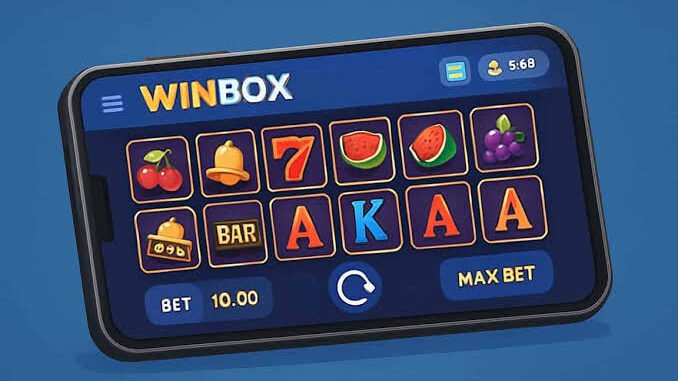
Mobile gaming is built around convenience. People often play in short sessions, switch between Wi-Fi and mobile data, and expect to reach their accounts without repeating unnecessary steps.
When account access is slow, confusing, or unreliable, even a well-designed gaming platform can become frustrating to use.
A good mobile login process has to balance two needs that can pull in opposite directions: speed and security. Players want quick access, but gaming accounts may contain personal details, transaction records, saved preferences, and other information that deserves proper protection. Understanding that balance helps users recognize safer login practices and fix common access problems without taking risky shortcuts.
Why Account Access Matters More on Mobile
Logging in may seem like a small part of the gaming experience, but it is the point where every returning session begins. Mobile users also face conditions that desktop users may encounter less often, including changing connections, smaller screens, app updates, and frequent movement between browsers and devices.
Login Is Part of the User Experience
A player who already has an account usually does not want to repeat registration-style steps every time they return. They need a clear route to sign in, confirm their identity when required, and continue from the correct account.
Good account access usually means users can quickly understand:
- Where to enter their account details
- What information is required
- Why additional verification may appear
- How to recover forgotten credentials
- How to sign out securely
- What to do when access fails
These details matter because confusion around login screens can lead people to search for alternative pages. That is where they may accidentally encounter unofficial sites or phishing pages.
Mobile Conditions Can Change During a Session
Phones frequently move between home Wi-Fi, public Wi-Fi, workplace networks, and cellular data. A temporary connection change can interrupt a login request, security check, or page load.
Mobile browsers may also clear cookies, restrict background activity, or behave differently after operating-system updates. Before assuming an account itself has a problem, it helps to check whether the browser, connection, or device is causing the issue.
What a Good Mobile Login Process Should Provide
Fast access does not mean removing every security step. A well-built authentication process should reduce unnecessary friction while keeping important checks in place.
Clear Entry and Recovery Options
A login page should make the main actions easy to identify. Users should know how to sign in, reset forgotten credentials, or contact legitimate support without searching through unrelated pages.
Account recovery deserves particular attention. A weak recovery process can undermine a strong password because anyone who can bypass the normal login through account recovery may gain control of the account.
Users should keep their registered email address or phone number current when a platform uses those channels for recovery.
Speed Should Not Replace Security
There is an important difference between efficient authentication and weak authentication.
A platform may remember a trusted device or support biometric confirmation while still requesting additional verification when unusual activity occurs. That is different from removing meaningful protection simply to reduce the number of taps.
Passwords alone can be vulnerable to phishing and credential theft, which is why additional authentication methods can be useful for accounts that contain personal or financial information. The goal is not to make login complicated, but to create enough protection without adding unnecessary barriers.
What Players Should Check Before Logging In
Most login problems are easier to prevent than to repair. A few checks before entering account credentials can reduce both technical trouble and security risk.
Confirm That You Are Using the Correct Access Route
Search results, messages, advertisements, and social posts can all contain links that resemble legitimate account pages. Users should avoid entering credentials simply because a page has familiar branding.
Someone searching for Winbox Mobile Login, for example, should still confirm that the page or app they reach comes through an official source rather than assuming every result using that phrase is legitimate.
Useful checks include:
- Read the domain carefully before entering information.
- Avoid links sent by unknown accounts or unsolicited messages.
- Check whether the connection uses HTTPS.
- Use official platform channels when confirming an address.
- Be cautious if a page suddenly asks for information that is not normally required.
HTTPS is important, but the padlock alone does not prove that a site belongs to the company it claims to represent. Fraudulent sites can also use encrypted connections.
Use Strong, Unique Credentials
Reusing one password across many sites creates an avoidable problem. If another service suffers a data breach, attackers may test exposed username-and-password combinations elsewhere.
A password manager can make unique credentials easier to maintain. Where a platform supports multi-factor authentication, activating it can add another check beyond the password.
Login throttling, additional verification, and other security controls can also reduce the risk of automated account attacks.
Check the Device as Well as the Account
A correct password cannot solve every mobile access problem. The device itself can be responsible.
Before repeatedly attempting to sign in, check whether:
- The browser or app is up to date
- Cookies required for the session are blocked
- JavaScript has been disabled
- The connection is stable
- The phone’s date and time are correct
- A VPN or network filter is interfering with the connection
Repeated failed attempts can also trigger temporary security controls on some services, so endlessly retrying the same credentials is rarely the best response.
Where QR-Based Login Can Fit Into Mobile Access
QR codes can reduce manual typing when one device needs to communicate login information or an authentication request to another. The exact process differs between services, so users should understand what a code is doing before scanning it.
How QR Login Generally Works
In a common QR authentication flow, one screen displays a temporary code. A device that is already trusted scans that code and approves the request.
Interest in terms such as Winbox QR Code may reflect this wider preference for quicker account access, but users should first verify whether the particular service officially supports QR authentication and follow only its documented process.
QR access can be useful because users may not need to manually type long credentials on a small screen. However, the code itself should not automatically be treated as trustworthy.
Treat QR Codes Like Other Login Links
A QR code can direct a phone to a web address, and a person cannot easily read that address simply by looking at the pattern.
Before continuing after a scan, check the destination shown by the phone. If it points to an unfamiliar domain, requests unexpected credentials, or arrived through an untrusted source, stop the process.
QR codes placed in public locations, screenshots, messages, or unofficial tutorials deserve particular care because users may not know who created them.
How to Fix Common Mobile Login Problems
A failed login does not always mean an account has been compromised. Many access issues have ordinary causes that can be checked in a logical order.
Incorrect Username or Password
Start with the simplest explanation. Check for typing errors, unwanted spaces, capitalization issues, or an outdated password stored by the browser.
If the credentials still fail, use the platform’s official password-recovery process instead of trying numerous variations.
Verification Codes Are Not Arriving
One-time codes can be delayed because of network problems, email filtering, carrier issues, or an incorrect registered contact method.
Check the spam folder for email codes and confirm that the device has a working cellular or internet connection. Avoid repeatedly requesting new codes in rapid succession because newer requests may invalidate earlier codes on some systems.
Never give a verification code to someone who contacts you and asks for it.
The Page Keeps Reloading
Repeated redirects or a login page that returns after successful credential entry can indicate a session problem.
Try these steps:
- Close and reopen the browser.
- Confirm that required cookies are allowed.
- Clear site-specific cached data if appropriate.
- Try another supported browser.
- Restart the device.
- Check whether the service has announced maintenance.
Clearing all browser data should not be the first response because it may sign the user out of many unrelated services.
Access Works on Wi-Fi but Not Mobile Data
If one network works and another does not, the account itself may be fine. The problem could involve DNS settings, network filtering, connection quality, or a temporary routing issue.
Switching between trusted networks can help identify the source, but users should avoid logging into sensitive accounts through unsecured public Wi-Fi when a safer connection is available.
Mobile Login vs Desktop Login
Mobile and desktop authentication use many of the same principles, but the practical experience can differ. Knowing those differences can help users choose the right device for a particular account task.
| Area | Mobile Access | Desktop Access |
| Typing | More error-prone on small screens | Easier for long credentials |
| Biometrics | Often built into the phone | Depends on hardware |
| Network changes | More frequent | Usually less frequent |
| QR scanning | Camera makes scanning practical | Often used as the screen displaying the code |
| Account management | Good for routine access | Often easier for detailed settings |
| Shared-device risk | Usually personal | Can be higher on shared computers |
Use the Device That Fits the Task
A phone may be convenient for regular account access, while a larger screen can be better for reviewing account settings, security options, or transaction history.
The important point is not that one device is always safer than another. Security depends on the device, operating system, connection, authentication method, and how carefully the user handles credentials.
Smooth Access Should Not Encourage Risky Shortcuts
Removing every login barrier may sound appealing, but some friction serves a purpose. Security prompts, new-device checks, and account verification can help prevent unauthorized access.
Avoid Unofficial Shortcuts
Users should be cautious about advice that tells them to bypass normal login controls, install unknown applications, use unverified mirror pages, or disable security features.
A better approach is to reduce avoidable delays while keeping legitimate checks active. Convenience should come from better account design and sensible device settings, not from weakening protection.
Be Careful With Saved Credentials
Saving a password can be reasonable on a personal device protected by a PIN, fingerprint, or other device lock. It is much riskier on a shared phone, public computer, borrowed tablet, or communal workstation.
Always sign out when using equipment that other people can access. Also avoid selecting options such as “remember me” unless the device is genuinely under your control.
Why Good Login Design Builds User Confidence
Account access affects more than the first few seconds of a gaming session. It also shapes whether users feel they understand what is happening when something goes wrong.
Clear Login Feedback Helps Users Know What to Do Next
When a login attempt fails, users benefit from clear instructions that point them toward the next reasonable step. A message that explains whether they should check their password, wait for a verification code, review their connection, or use account recovery can prevent unnecessary repeated attempts.
Good feedback also helps users separate technical problems from security concerns. If a platform clearly communicates what action is required without exposing private account details, people can respond more confidently instead of guessing.
Clear Errors Are Better Than Vague Failures
A useful login system should distinguish between problems when it can do so safely. Users need enough information to know whether they should reset a password, wait for a verification code, check their connection, or contact support.
At the same time, security-sensitive systems should avoid revealing unnecessary account information to unknown visitors.
Recovery Is Part of Access, Not an Afterthought
People forget passwords, replace phones, lose access to email addresses, and change numbers. Account recovery therefore needs to be considered part of the normal login experience.
Users can make recovery easier by keeping contact details current and securely storing backup codes when a service provides them.
Conclusion
Smooth account access in mobile gaming is not simply about opening a page as quickly as possible. Good access combines clear navigation, reliable authentication, sensible recovery options, and security checks that protect the account without adding pointless steps.
Players can reduce many common problems by verifying the official access route, using unique credentials, protecting their devices, treating QR codes carefully, and troubleshooting connection issues before repeatedly changing passwords. The best mobile login experience is one that feels straightforward while still giving the user good reasons to trust the process.
Leave a Reply