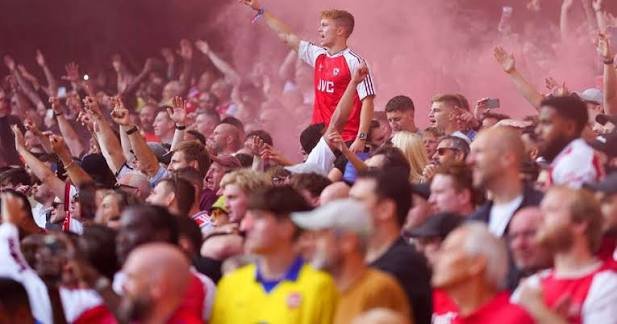

Prediction markets put real money behind the thing sports fans have always done: argue about who will win. The difference is that the price can move before the game ends, so a good call at noon may look very different by dinner.
Sports fans know the routine: a big game is coming, the group chat is flying, and somebody is convinced they have spotted the angle nobody else has seen. Prediction markets put a moving price on that instinct. Instead of picking a side at fixed odds, you buy a position that can rise or fall before the final whistle, depending on what the market thinks is about to happen.
Sports Predictions Trade on Moving Prices
A contract begins with a question that has a settled answer at the end: did the team win or did a player start? The price sits between $0 and $1. A 70-cent “yes” contract says traders put the chance near 70%.
Buy at 70 cents and a correct result returns $1, leaving 30 cents before fees. Get it wrong, and the stake is gone. Event contracts have been part of regulated U.S. markets for more than two decades, with prices reflecting traders’ view of the outcome and positions available to sell before settlement.
Sports Put Prediction Markets in Front of More Fans
Super Bowl Sunday turned a niche-looking corner into a proper sports story. Kalshi reported a daily record above $1 billion in total trading volume, up at least 2,700% from the previous year, on a day when plenty of people were already watching every drive and coaching decision.
That is part of the appeal for a sports crowd. You already follow the roster news and know who has been carrying a team. A market price gives that knowledge a number, then leaves you to decide whether it has gone too high or too low.
Access has widened the audience as well. In most states with legal sports betting, customers must be 21. Prediction markets can admit people aged 18 to 20 in some jurisdictions, and they operate in Texas and California even though regular sports betting remains illegal there. That puts the option in front of sports fans who never had a sportsbook account.
A First Trade Has Fine Print
A $50 trading bonus catches the eye, but the useful question is what you have to put in before it arrives. Players who want to see what Polymarket is handing out to new sign-ups lately can go to Covers, where the current promo guide lays out the $20 deposit, qualifying first trade and mobile-only claim process without burying the details under the headline figure.
The offer is for eligible U.S. residents aged 18 and up, remains unavailable in Nevada and runs through the iOS or Android app. A desktop visit can leave you on a waitlist, which is worth knowing before you decide the bonus is ready to use.
Big Tournament Markets Have Become Serious Business
A big football tournament pulls in the casual fan, the guy who watches qualifying clips at lunch and the friend who has already picked a winner before the draw is finished. Prediction markets bring them onto the same moving screen, where a contract can move before a match starts and again after an injury report.
The broader business behind those screens has grown fast. Polymarket crossed $1 billion in annualized revenue by June 26, 2026, about six weeks after it rolled out access to its U.S. exchange. Its active markets included the winner of the FIFA World Cup, alongside contracts tied to elections and financial events.
A World Cup winner contract can be bought months before the trophy is lifted, then move after a poor group-stage result or a major suspension. The live price becomes part of the decision, rather than a detail you glance at once before kickoff.
Knowing the Sport Does Not Settle the Contract
Sports knowledge gives you a starting point, but the wording on the contract still decides the outcome. A team may be the better side and still leave you holding the wrong position because the market asked about a player rather than the final score.
Read the settlement rules before you buy. They tell you the exact outcome the contract is measuring and when it closes.
First Price Is Only Part of the Decision
A prediction market turns a familiar sports argument into a price that keeps moving. That can be fun when you understand the contract and know what your money is doing; it gets messy when you jump in because a number flashed on your phone.
The first offer gets attention, yet the deposit condition and route into the app decide whether the first trade makes sense. Take the same care with a $20 deposit that you would with any other sports wager, then keep your stake within the money you can afford to lose.
Leave a Reply