
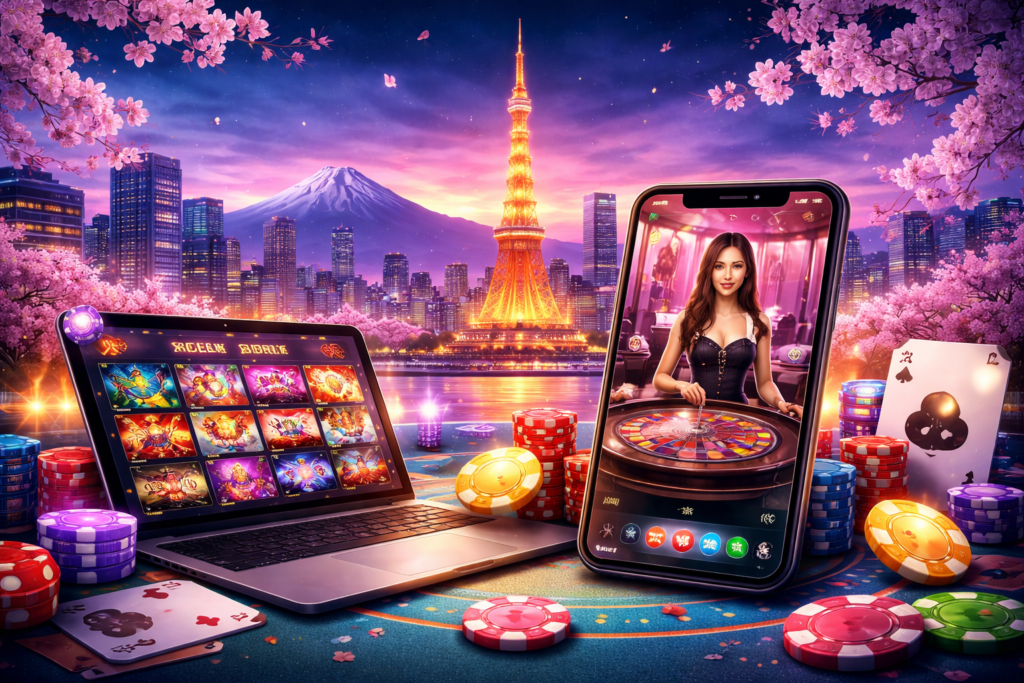
Online casino games have undergone a significant transformation over the past decade. What were once simple and monotonous games have now evolved into something closer to interactive entertainment. Today’s players seek more than just spinning reels; they want smooth graphics, engaging themes, and a sense of accomplishment as they progress through the game. Platforms like パリマッチ reflect this shift by offering a wide range of games that are sophisticated yet approachable, allowing players to enjoy them casually without feeling overwhelmed.
In this article, we’ll explore how modern casino games are designed, what factors influence their style, and why they feel so different from their older counterparts.
From simple machines to interactive experiences
Early slot machines were simple and straightforward. You pulled the lever, watched the reels spin, and hoped for a winning combination. Beyond that basic process, there was almost nothing else. Early online slots followed the same pattern, with the only difference being that mechanical reels were replaced by digital ones.
Today, that simplicity has been replaced by a multi-layered experience. Modern slot games frequently incorporate animated sequences, bonus rounds, and interactive features that break away from the traditional “spin and stop” format. Some games even feature mini-stories or themed worlds that unfold as you play.
This evolution did not happen by chance. Developers realized that players tend to play longer when games offer diversity and visual stimulation. As a result, modern slots are designed more like video games than traditional gambling machines. The reels are still there, but they are only one part of the experience.
Sound design also plays a major role. Background music, victory sound effects, and subtle audio cues all contribute to the atmosphere. When combined effectively, these elements create a rhythm that keeps players engaged without ever feeling monotonous.
Why Design Matters More Than Ever
Today, design has become one of the most critical elements in all casino games. It’s not just about how a game looks, but also about the “feel” of playing it.
Colors, animations, and layouts all influence how players engage with a game. Bright, vivid visuals make it easier to track game progress, while smooth animations help maintain the flow of play. If a game runs slowly or is confusing, players will quickly lose interest.
Modern games also feature carefully designed pacing. Small wins, bonus triggers, and visual feedback are spaced out to keep players engaged without overwhelming them. This balance is particularly important for casual players and those who prefer short gaming sessions.
Another key factor is accessibility. Since many players now use smartphones and tablets, games must run smoothly on a variety of screen sizes. Interfaces are simplified, buttons are easy to tap, and load times are kept short. These details may seem minor, but they make a significant difference to the overall enjoyment of the game.
Entertainment Culture and Its Subtle Influence
Modern casino games do not exist in isolation. They are influenced by broader entertainment trends, such as video games, movies, and animation. This is particularly evident in markets like Japan, where visual storytelling and character design play a significant role in the digital experience.
Some slot games feature themes inspired by fantasy worlds, historical settings, or elements of pop culture. Others feature bright, stylish characters that are familiar to players who enjoy anime and mobile games. While these influences aren’t always obvious, they shape the game’s appearance and atmosphere.
This is where the concept of “gamification” comes into play. Many modern slots incorporate features such as levels, missions, and unlockable content. Players don’t just spin the reels; they experience a sense of progression within the system. This approach borrows heavily from video game design, where progress and rewards are key to maintaining interest.
The influence of anime-style visuals is also noteworthy. Designs that prominently feature characters, expressive animations, and vibrant color schemes give the games a more dynamic feel. While this isn’t the primary focus of casino games, it serves as an element that further enhances familiarity for players accustomed to this style in other forms of entertainment.
Changing Player Expectations
As games become more sophisticated, player expectations continue to rise. Today’s users seek experiences that are both accessible and deeply engaging.
One major expectation is ease of use. Players should be able to find a game, start playing, and understand the basic mechanics within seconds. Complex menus and confusing instructions can quickly cause players to lose interest.
Another key expectation is consistency. Whether playing on a smartphone or a desktop, the experience should be the same. This includes graphics quality, performance, and responsiveness.
Players also value diversity. Rather than sticking to a specific type of game, many prefer to switch between slots, table games, live dealer games, and more. As a result, modern platforms focus on offering a wide range of options in a single place.
At the same time, awareness of responsible gaming is growing. Japan has strict gambling laws, and as these regulations are constantly changing, they influence how platforms are operated and services are provided. As a result, many platforms aim to provide clear information and maintain a neutral, user-centric approach, rather than encouraging excessive play.
Reflections on Platform Design in Practice
To understand how these ideas come together, it helps to look at a real-world example. The パリマッチオンラインカジノplatform demonstrates how modern design and functionality are practically combined.
One of its key features is its extensive game lineup. Players have access to a wide variety of slots, each with different themes and mechanics. In addition to slots, live dealer games such as roulette, blackjack, and baccarat are also available. These live games offer a real-time experience where players can interact with dealers via video stream, adding a social element to the gameplay.
Furthermore, the platform is designed to be user-friendly. Navigation is intuitive, with clear categorization that allows for quick access to various games. This makes it easy for new users to get started without getting lost.
Another key point is performance. Whether on mobile or desktop, games load quickly and run smoothly. This consistency is essential for maintaining a comfortable experience.
Overall, PariMatch Casino demonstrates how modern platforms prioritize balance. It offers diversity and functionality while keeping the experience simple and user-friendly.
Future Trends in Casino Game Design
It is expected that online casino games will become increasingly established as a mainstream form of entertainment. In particular, as technology advances, the line between games and gambling mechanisms will likely become even more blurred.
We may see a rise in more personalized experiences where games adapt to players’ preferences. Visual design will become even more sophisticated, incorporating higher-quality graphics and smoother animations. At the same time, developers will need to ensure that games remain easy to understand and do not become overly complex.
Cultural influences will also continue to play a significant role in shaping design directions. As the global user base expands, games may incorporate a wider range of themes and styles, including those inspired by regional entertainment trends.
Conclusion
Modern online casino games are no longer merely games of chance. They have evolved into interactive entertainment that blends design, technology, and cultural elements.
From sophisticated visuals and sound to game-like features and smooth interfaces, every element is meticulously crafted to enhance the player experience. Platforms like Paris Match Casino clearly demonstrate how these trends are seamlessly integrated in a practical and user-friendly way.
At the same time, the industry continues to adapt to changing user expectations and regulatory environments, particularly in regions like Japan. As a result, the focus remains on creating experiences that are engaging, accessible, and easy to navigate.
Leave a Reply