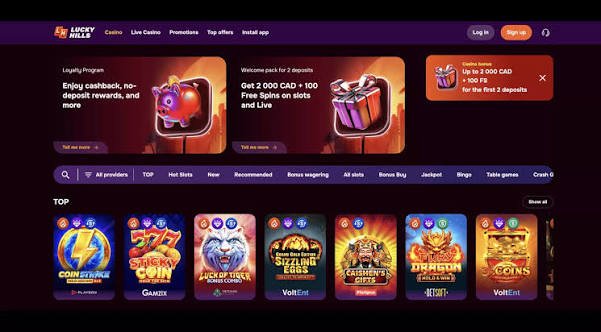
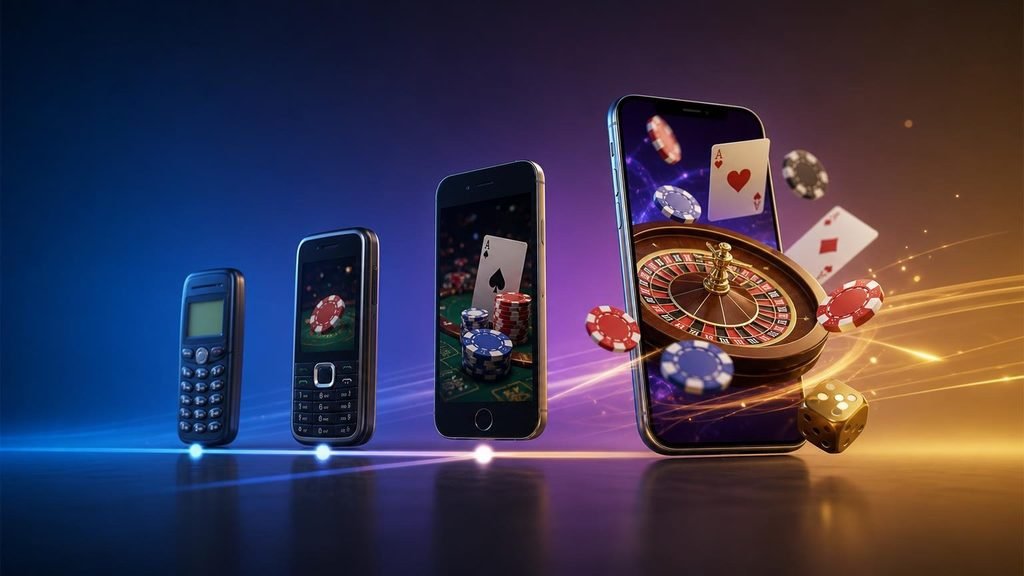
The smartphone changed how people play. Casinos once demanded a physical seat, a dealer, and a trip across town. Today, the entire floor fits in a pocket. Players now spin reels during a train commute, claim bonuses on a lunch break, and chase a jackpot from the couch. Platforms like Lucky Hills online casino built their experience around that shift, and the results show it. Mobile gaming is not a smaller version of the desktop experience anymore. It is the main event.
Key Facts
The numbers tell a clear story about where players now spend their time and money.
- Statista reports that mobile devices accounted for more than 70 percent of global online gambling traffic by 2025.
- The global mobile gambling market passed 100 billion US dollars in gross win in 2024, according to industry data cited by Reuters.
- Average mobile session length on casino apps reached 23 minutes in 2025, up from 14 minutes in 2020.
- A 2026 survey of slot players found that 68 percent had never played a slot on a desktop computer.
- Live dealer tables streamed to phones grew faster than any other casino category in 2025, per Statista.
- Push notification opt-in rates on casino apps hit 55 percent in 2026, giving operators a direct line to players.
Why Touchscreens Beat Desktops for Casino Play
A mouse and keyboard create distance. A thumb on glass feels immediate. Game studios redesigned slots around that reality. Tap-to-spin replaced click-to-spin. Portrait mode became standard. Reels now fill the screen vertically, and win animations fire the moment a line lands. Haptics add a small vibration on a near miss, which keeps attention locked on the screen.
Payments followed the same path. Apple Pay and Google Pay cut deposits down to a fingerprint. A player can fund an account and hit the reels in under a minute. That speed matters. Friction kills sessions, and mobile removed most of it.
Live Dealers in Your Pocket
Streaming technology turned the phone into a seat at a real table. Live dealer games once required a stable home connection. 5G changed the math. Low latency now delivers a real croupier to a bus seat or a park bench. Players chat with dealers, place bets in real time, and watch physical cards flip on a screen smaller than a deck.
This format pulled in a new audience. Younger players who never visited a land-based casino now treat live roulette as a social app. The camera angle, the dealer’s voice, and the table chat create presence. Desktop never delivered that feeling.
The Data Engine Behind Personal Play
Every tap leaves a trace. Mobile apps collect richer behavioral data than browsers ever could. Operators use it to time bonuses, tailor game recommendations, and flag at-risk players. A push notification offering free spins lands at 8 pm because the data says that player opens the app after dinner.
This personalization cuts both ways. It makes play smoother and more engaging. It also raises the stakes for responsible design. The best platforms now build session timers and deposit limits into the app itself, not buried in a settings menu.
Conclusion
The phone did not shrink the casino. It rebuilt it. Touch controls, instant payments, live streaming, and behavioral data now define the experience. Players expect speed and personalization on every screen. Operators who treat mobile as an afterthought will lose ground to those who design for the thumb first. The next wave, from foldable screens to AR dealers, will push the same direction. The pocket casino is here to stay.
Leave a Reply