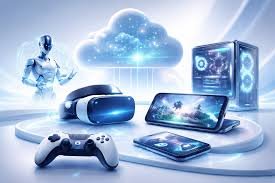
Online slot gacor hari ini has become one of the most powerful and influential industries in the digital world. What started as a simple form of entertainment has now evolved into a global ecosystem that connects millions of players, generates billions in revenue, and continuously pushes the boundaries of technology. In 2026, online gaming is not just about playing games—it is about experiencing virtual worlds, building communities, and even creating careers.
This in-depth guide explores the evolution, benefits, challenges, trends, and future of online gaming, giving you a complete understanding of why it has become such a dominant force in modern life.
The Evolution of Online Gaming
Online gaming has come a long way from its early beginnings. In the 1990s, multiplayer gaming was limited to local networks or slow dial-up connections. Games were simple, graphics were basic, and player interaction was minimal.
As internet speeds improved and broadband became widely available, developers started creating more complex multiplayer experiences. This led to the rise of massive online games where thousands of players could interact simultaneously.
Today, online gaming features:
- Realistic 3D environments
- Massive open worlds
- Real-time multiplayer interaction
- Continuous updates and live events
Games are no longer static products—they are living platforms that evolve over time, keeping players engaged for years.
The Growth of the Global Gaming Industry
Online gaming is now a multi-billion-dollar industry and continues to grow rapidly. It has surpassed many traditional entertainment sectors, including movies and music in terms of revenue.
Key reasons behind this growth include:
1. Increased Internet Access
Affordable internet has made gaming accessible to millions worldwide, including regions that previously had limited access.
2. Smartphone Revolution
Mobile gaming has introduced online gaming to a massive audience, allowing people to play anytime, anywhere.
3. Free-to-Play Models
Many games are free to download, generating revenue through in-game purchases. This lowers the barrier to entry for new players.
4. Global Audience
Games are no longer limited by geography—players from different countries can connect and play together instantly.
Types of Online Games Dominating the Market
Online gaming offers a wide variety of genres, each appealing to different types of players:
1. Battle Royale Games
These games focus on survival, where players compete until only one remains. Strategy, reflexes, and quick decision-making are essential.
2. Multiplayer Online Battle Arena (MOBA)
Team-based games where players control unique characters and work together to defeat opponents.
3. First-Person Shooters (FPS)
Fast-paced action games that test reflexes and precision.
4. Massively Multiplayer Online Role-Playing Games (MMORPGs)
Large virtual worlds where players create characters, complete quests, and interact with thousands of others.
5. Casual and Mobile Games
Easy-to-play games designed for short sessions, often played on smartphones.
This diversity ensures that online gaming appeals to players of all ages and skill levels.
Social Connectivity: Gaming as a Digital Community
One of the biggest strengths of online gaming is its ability to connect people. Players communicate through voice chat, messaging, and in-game interactions.
Gaming communities often become social spaces where players:
- Build friendships
- Share experiences
- Collaborate on missions
- Compete in tournaments
For many people, especially younger generations, online games are a primary way of socializing.
The Rise of Esports and Competitive Gaming
Esports has transformed gaming into a professional sport. Competitive players participate in tournaments watched by millions of viewers worldwide.
Key features of esports include:
- Large prize pools
- Professional teams and organizations
- Sponsorships and endorsements
- Global tournaments and leagues
Esports athletes train rigorously, similar to traditional sports players. This has helped gaming gain recognition as a legitimate career path.
Streaming and Content Creation
Online gaming has created a new form of entertainment through streaming and content creation. Platforms like YouTube and Twitch allow gamers to share their gameplay with audiences worldwide.
Content creators earn money through:
- Advertisements
- Sponsorships
- Donations
- Subscriptions
Streaming has turned gaming into a spectator activity, where viewers watch gameplay for entertainment, learning, or inspiration.
Technological Advancements in Gaming
Technology plays a crucial role in shaping online gaming. Some of the most important advancements include:
High-Speed Internet
Faster connections enable smooth, lag-free gameplay and real-time interaction.
Graphics and Processing Power
Modern hardware allows for highly detailed and realistic game environments.
Cloud Gaming
Players can stream games without needing powerful devices, making gaming more accessible.
Artificial Intelligence (AI)
AI enhances gameplay by creating smarter opponents and dynamic environments.
Benefits of Online Gaming
Online gaming offers several advantages when enjoyed responsibly:
1. Cognitive Development
Games improve problem-solving skills, critical thinking, and decision-making.
2. Improved Coordination
Fast-paced games enhance hand-eye coordination and reflexes.
3. Stress Relief
Gaming provides an escape from daily stress and helps players relax.
4. Social Interaction
Players can connect with others and build meaningful relationships.
5. Skill Development
Games teach teamwork, leadership, and communication skills.
Challenges and Risks
Despite its benefits, online gaming also comes with challenges:
Addiction
Excessive gaming can affect physical health, mental well-being, and daily responsibilities.
Toxic Behavior
Online environments may include harassment or negative interactions.
Cybersecurity Risks
Players may face threats such as hacking, scams, or data breaches.
In-Game Purchases
Microtransactions can lead to overspending, especially among younger players.
Responsible gaming habits and awareness are essential to avoid these risks.
Online Gaming and the Economy
The online gaming industry contributes significantly to the global economy. It creates jobs in areas such as:
- Game development
- Animation and design
- Marketing and advertising
- Event management
- Cybersecurity
In addition, gaming has opened new income streams for individuals, including professional gaming, streaming, and content creation.
Emerging Trends in Online Gaming
The gaming industry continues to evolve with new trends shaping its future:
Cross-Platform Gaming
Players can connect across different devices, such as PC, console, and mobile.
Live-Service Games
Games receive continuous updates, events, and new content.
User-Generated Content
Players can create their own maps, skins, and game modes.
Virtual Economies
In-game currencies and trading systems are becoming more advanced.
The Future of Online Gaming
The future of online gaming is incredibly exciting. Several technologies are expected to redefine the gaming experience:
Virtual Reality (VR)
Players will experience fully immersive worlds where they can interact physically.
Augmented Reality (AR)
Games will blend digital elements with the real world.
The Metaverse
A shared virtual space where gaming, social interaction, and digital economies combine.
Blockchain and Digital Ownership
Players may own in-game assets that can be traded or sold outside the game.
These innovations will make gaming more immersive, interactive, and accessible than ever before.
Cultural Impact of Online Gaming
Online gaming has become a major part of global culture. It influences:
- Music and entertainment
- Fashion and trends
- Language and communication
- Social interactions
Gaming communities bring people together from different backgrounds, creating shared experiences and cultural exchange.
Conclusion
Online slot depo 5k has transformed into a powerful global phenomenon that goes far beyond entertainment. It connects people, drives technological innovation, and creates new opportunities in both social and professional spaces.
As we move further into the digital age, online gaming will continue to evolve and expand. With advancements in technology and increasing accessibility, it is set to become an even more integral part of everyday life.
By maintaining a balance between gaming and real-world responsibilities, players can fully enjoy the benefits of this dynamic and ever-growing digital universe.
Leave a Reply